

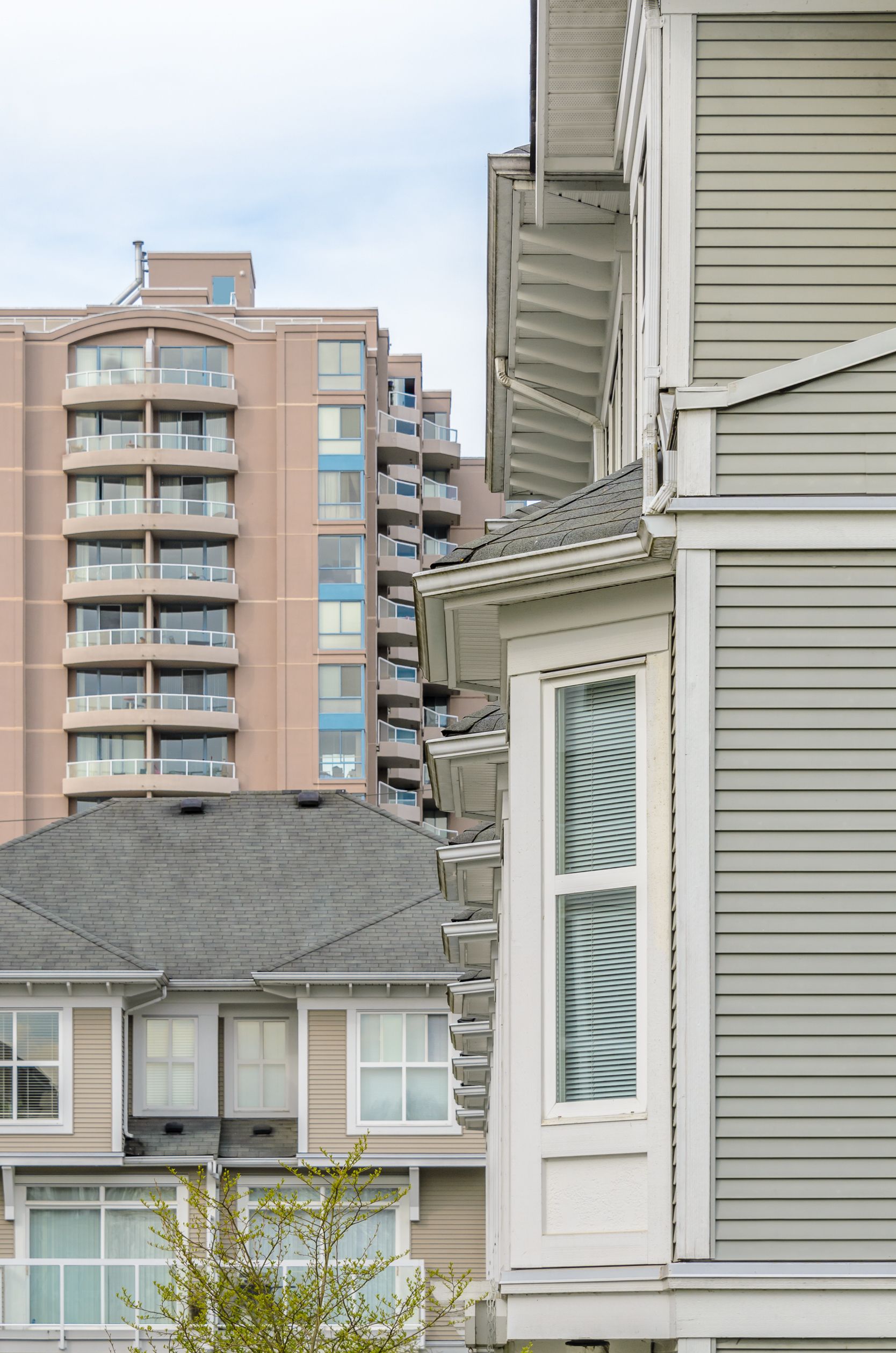
On a listing site, a Tampa Bay townhome and a condominium can look nearly identical: similar price, similar square footage, similar photos of granite and water views. Underneath, they are financially opposite. Different ownership structure, different insurance obligations, different lending rules, and very different exposure to monthly fees. Buyers who choose on photos alone often discover these differences at the closing table. Here is what you need to know before that point.
The structural distinction drives everything else. In a condominium, you own the interior airspace of your unit, while the building's exterior, roof, and common areas are owned jointly by all residents and managed by the association. In a townhome, you typically own both the interior and exterior of your unit, including the land beneath it, sharing only a wall or two with neighbors.
Ownership and Maintenance Responsibilities
The division of maintenance duties is often the deciding factor. Condominium living provides a true lock-and-leave lifestyle: the association manages exterior upkeep, landscaping, pool maintenance, and structural repairs. This makes condos especially appealing to seasonal residents, busy professionals, and buyers seeking luxury sky residences in Downtown St. Petersburg or along Bayshore Boulevard.
Townhomes require more direct involvement. The association typically handles landscaping and common areas, but the owner is often responsible for exterior repairs, the roof, and structural upkeep. This suits buyers who want more control over their property without the yard work of a single-family home, particularly those transitioning from larger properties.
The True Cost of Ownership
In Tampa Bay, condominiums generally carry higher monthly fees than townhomes. Those fees buy comprehensive coverage: building insurance, exterior maintenance, and in luxury waterfront towers, concierge service, security, and resort-level amenities. Townhome fees run lower, but owners must budget separately for exterior maintenance and their own insurance.
The purchase price and the fee schedule are only half the financial picture. In Florida, the association's financial health matters as much. State law requires condo buildings of three or more habitable stories to complete a milestone structural inspection when the building turns 30 years old, or 25 if it sits within three miles of the coast, with reinspections every ten years. Associations must also complete a Structural Integrity Reserve Study at least every ten years, and budgets adopted after December 31, 2024 can no longer waive reserve funding for critical structural components. Full details are published by the Florida Department of Business and Professional Regulation.
These reports are part of the association's official records and must be made available to prospective purchasers. Before you commit to either property type, review the most recent inspection report, the reserve study, and two years of budgets. A well-funded association protects your investment. An underfunded one may be a single vote away from a special assessment.
Lifestyle and Privacy
Condominiums excel at resort-style amenities, security, and immediate urban convenience, with the trade-off of shared hallways, elevators, and closer neighbors. For buyers weighing elevation, our guide to High-Rise vs. Low-Rise Condos breaks down which environment fits which lifestyle.
Townhomes live more like single-family homes: private entrances, attached garages, patios or courtyards, and multi-level layouts that separate living and sleeping areas. You still share walls, but no neighbors above or below usually means a quieter home.
Consider a downsizing couple we might meet any given week: selling a South Tampa house, deciding between a Bayshore high-rise condo and a townhome in Westchase. The condo wins if their priority is travel, security, and zero maintenance. The townhome wins if they want a garage, a courtyard for the dog, and lower monthly fees they control. Neither answer is wrong. The mistake is not asking the question.
Investment Potential
Waterfront and downtown condos benefit from scarce premium inventory and strong luxury demand. Townhomes appeal to a broader pool, including young families and downsizers, which supports consistent resale demand, and their fee-simple structure makes financing simpler. Buyers considering new builds should review our new construction buyer's guide for what modern building standards and warranties add to the equation.
Choosing between the two comes down to your priorities on maintenance, privacy, fees, and control. Weigh those honestly against your budget and long-term plans, and either path can be an excellent Tampa Bay investment. When you are ready to compare specific properties, explore the Eagan Collection or browse our Featured Communities to see what each lifestyle actually looks like on the ground.
Frequently Asked Questions
What is the main difference between a condo and a townhome in Tampa Bay?
Ownership. In a condo, you own the interior space while the association owns the exterior and land. In a townhome, you typically own the interior, exterior, and the land beneath the unit, sharing only the adjoining walls with neighbors.
Are HOA fees higher for condos or townhomes?
Fees are generally higher for condominiums, and in Tampa Bay the gap is widest in the waterfront towers along Bayshore Boulevard and the downtown St. Petersburg corridor, where fees cover building insurance, comprehensive maintenance, and extensive amenities. Townhome fees typically cover far less, which is why townhome owners must budget separately for their own exterior upkeep and insurance.
Which property type is easier to finance?
Townhomes, usually. Lenders classify them similarly to single-family homes. Condominium loans face stricter review because lenders evaluate the entire building's financial health, reserve funding, and owner-occupancy ratios before approving, and Florida's structural inspection requirements have made that review more rigorous.
Do townhomes or condos appreciate faster in Tampa Bay?
It depends on location and inventory. Luxury waterfront condos have historically benefited from limited supply and strong demand along the bayfront, while townhomes appreciate steadily on broader family and downsizer appeal. In either case, the building or association's financial condition increasingly affects resale value, which is another reason to review those documents before buying.
Can I rent out my condo or townhome?
Both are subject to association rules. Condominiums often carry stricter leasing restrictions, including minimum lease terms and caps on the number of rented units, while townhomes tend to offer more flexibility. Always review the association documents before purchasing if rental income is part of your plan.

About Debi Eagan
Expert real estate agent specializing in St. Petersburg and surrounding areas. Helping families find their dream homes with personalized service and local market expertise.
Contact Debi Eagan