

The Market Shift | Why St. Petersburg Luxury Buyers Are Choosing Sustainable
Sustainable luxury residences in St. Petersburg are commanding a measurable premium in today's market. Energy-efficient homes sell at a 5 percent premium over standard properties, with LEED-certified residences seeing an 8 percent value boost according to University of Texas research. This is not a trend limited to eco-conscious buyers; it reflects a fundamental shift in how the market values durability, resilience, and long-term operating costs.
In St. Petersburg specifically, this shift is driven by two powerful forces. First, climate resilience has become inseparable from luxury. Homes built to withstand hurricanes and flooding are not just safer; they command higher insurance discounts and attract buyers seeking protection against rising sea levels and extreme weather. Second, energy costs are climbing. American families now spend $2,200 annually on energy bills, and sustainable features can reduce these costs by up to 30 percent, making the investment financially rational for high-net-worth individuals.
As a trusted authority in Tampa Bay luxury real estate, we have witnessed this transformation firsthand. Buyers exploring the St. Petersburg Waterfront are no longer asking whether a home is sustainable; they are asking which sustainable features deliver the best value and resilience. Understanding these features is essential for making an informed investment in coastal luxury living.
Energy Efficiency Meets Coastal Elegance
Energy efficiency is a cornerstone of modern sustainable luxury. In a state known for its abundant sunshine and high temperatures, keeping a home cool without exorbitant energy costs is a priority. Modern luxury residences in St. Petersburg are incorporating sophisticated systems to achieve this balance.
High-performance Low-E impact-rated glass is a standard feature in many new developments. This specialized glass significantly reduces UV heat gain, which is essential for maintaining comfortable indoor temperatures while protecting valuable artwork and furnishings from sun damage. Furthermore, smart climate control systems allow homeowners to manage their energy consumption with precision, adjusting settings based on occupancy and natural light levels.
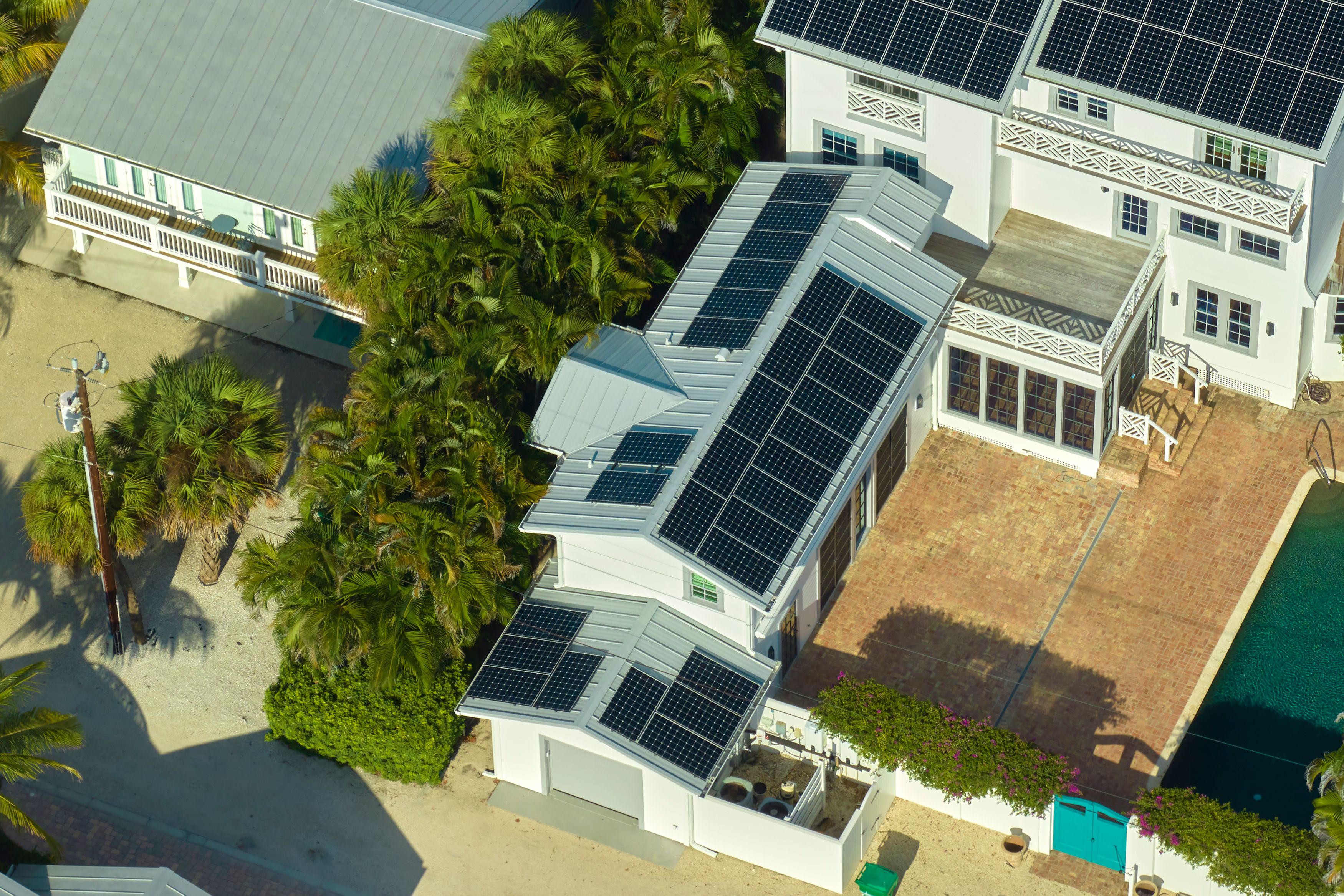
Another critical component is the integration of renewable energy sources. Solar panels, often paired with advanced battery storage systems, provide a reliable and clean energy alternative. This not only reduces reliance on the traditional power grid but also offers peace of mind during severe weather events. The incorporation of these technologies is a testament to how luxury and sustainability can seamlessly coexist.
Water Conservation and Coastal Resilience
Water conservation is another vital aspect of sustainable living in St. Petersburg. Luxury homes are increasingly utilizing smart water management systems to minimize waste. This includes the installation of low-flow fixtures, tankless water heaters, and sophisticated irrigation systems that use soil moisture sensors to prevent overwatering.
Beyond conservation, coastal resilience is paramount. Properties in communities like Tierra Verde are designed with the environment in mind. This involves elevating structures above base flood elevation requirements and utilizing permeable pavers to manage stormwater runoff effectively. These strategies help protect the property from flooding while maintaining the natural hydrology of the area.
Hurricane-resistant design is intrinsically linked to sustainability in Florida. A home that can withstand extreme weather without requiring extensive rebuilding is inherently more sustainable. Features such as reinforced concrete systems, continuous load paths, and aerodynamic roof designs are essential. These elements ensure that luxury residences are not only beautiful but also built to last, providing a safe haven during hurricane season.
Indoor Air Quality and Biophilic Design
The concept of luxury extends to the health and well-being of the residents. Sustainable homes prioritize superior indoor air quality through the use of low-VOC paints, sealants, and finishes. Advanced air purification systems with HEPA filtration ensure that the indoor environment remains pristine, free from allergens and pollutants.
Biophilic design, which seeks to connect occupants more closely to nature, is a growing trend in luxury real estate. This approach incorporates natural materials, abundant natural light, and seamless indoor-outdoor living spaces. In St. Petersburg, this might mean expansive sliding glass doors that open to a private lanai, blurring the lines between the interior and the stunning Gulf Coast landscape.
The use of locally sourced and reclaimed materials further enhances this connection while reducing the carbon footprint of the construction process. By choosing materials that reflect the local environment, homeowners can create a space that feels authentic and grounded. You can learn more about these design principles from resources like the U.S. Green Building Council, which sets the standard for green building certifications.
Smart Home Technology Integration
The integration of smart home technology is a defining feature of sustainable luxury. These systems go beyond simple convenience; they are essential tools for optimizing a home's performance. From automated window treatments that adjust to the sun's position to intelligent lighting systems that respond to natural light, technology plays a crucial role in reducing energy consumption.
Homeowners can monitor their energy and water usage in real-time, allowing them to make informed decisions about their consumption habits. This level of control is a hallmark of modern luxury, offering both efficiency and peace of mind. As we see in developments like Bacopa Bay, these smart systems are integrated seamlessly into the home's design, providing a sophisticated and intuitive user experience.
The future of luxury real estate in St. Petersburg is undeniably green. By embracing these sustainable features, homeowners are not only investing in a beautiful property but also in a resilient and responsible lifestyle. The combination of advanced technology, thoughtful design, and a commitment to environmental stewardship is creating a new standard for coastal living.
The Financial Benefits of Sustainable Luxury
The numbers behind sustainable luxury are compelling. LEED-certified homes save 15 to 30 percent on energy costs compared to standard homes, translating to $330 to $660 in annual savings on a typical $2,200 energy bill. Over a 25-year ownership period, this compounds to significant wealth preservation. Solar panels, one of the most popular sustainable features, add nearly $29,000 to median home values and help owners save approximately $50,000 over 25 years. In Florida's sunny climate, solar systems typically pay for themselves in 7.5 to 11.8 years, after which the energy is essentially free.
Water conservation features deliver measurable savings as well. Low-flow fixtures and WaterSense-labeled systems save homeowners approximately $350 annually while reducing water consumption by thousands of gallons per year. For properties in Tierra Verde and other waterfront communities, these savings add up quickly.
Perhaps the most immediate financial benefit comes from insurance discounts. Florida's wind mitigation program offers homeowners 20 to 35 percent discounts on the wind portion of their insurance premiums, with comprehensive impact-resistant features potentially reaching 45 percent savings. For a luxury waterfront home with a $5,000 annual insurance premium, this translates to $1,000 to $2,250 in annual savings. Combined with energy and water savings, sustainable features can reduce annual operating costs by $1,500 to $3,000 or more.
Resale value reflects these financial benefits. Green-certified homes sell for 2 to 8 percent more in most markets, with the most efficient homes commanding 3 to 5 percent premiums over comparable properties. For a $2 million waterfront residence, this represents $60,000 to $100,000 in additional value. As environmental awareness grows and climate risks become more apparent, buyers are increasingly willing to pay these premiums for properties that offer eco-friendly benefits and lower operating costs. For a comprehensive look at how these features impact the market, you can review insights from Mansion Global. The financial logic, combined with the environmental benefits and resilience advantages, makes sustainable luxury an intelligent investment strategy.
Frequently Asked Questions
What price premium should I expect for a sustainable luxury home in St. Petersburg?
Sustainable and energy-efficient luxury homes typically command a 5 to 8 percent price premium over comparable non-sustainable properties. LEED-certified residences see an 8 percent value boost, while green-certified homes sell for 2 to 8 percent more in most markets. For a $2 million waterfront property, this represents $100,000 to $160,000 in additional value. The premium reflects both the lower operating costs and the growing buyer preference for resilient, climate-adapted homes in coastal Florida.
How much can I save on insurance with hurricane-resistant features?
Florida's wind mitigation program offers homeowners 20 to 35 percent discounts on the wind portion of their insurance premiums. Comprehensive impact-resistant features, including impact windows, reinforced doors, and roof upgrades, can reach 45 percent savings. For a luxury waterfront home with a typical $5,000 annual insurance premium, this translates to $1,000 to $2,250 in annual savings. These discounts are verified through a professional wind mitigation inspection and can be applied immediately to your policy.
What questions should I ask a developer about sustainable features during a home evaluation?
Ask about specific certifications (LEED level, ENERGY STAR ratings), energy modeling data showing projected annual utility costs, solar panel specifications and expected ROI, insurance discount eligibility and estimated savings, hurricane-resistant design features and wind rating, water conservation systems and projected annual savings, and indoor air quality features including filtration and VOC standards. Request documentation of all energy and water efficiency claims, and ask how the developer has tested these systems in comparable properties. Request a comparison of projected operating costs versus standard homes to quantify the financial benefits.
What is the typical payback period for solar panels in St. Petersburg?
In Florida's climate, solar panels typically pay for themselves in 7.5 to 11.8 years, depending on system size, installation costs, and local electricity rates. After the payback period, the energy generated is essentially free, providing 15 to 25 years of additional savings over the system's lifespan. Homeowners can expect to save approximately $50,000 over 25 years. Many luxury developments now offer solar as a standard feature, which can accelerate the payback timeline through economies of scale.
How do I verify that sustainable features will actually save money on energy and water?
Request energy modeling reports from the developer showing projected annual consumption and costs compared to standard homes. Ask for utility bill data from similar completed properties in the community. Verify that smart monitoring systems are included so you can track actual savings in real-time. Request documentation of ENERGY STAR certifications for appliances and systems. For water conservation, ask about the specific fixtures and systems installed and their flow rates. Many luxury developments provide homeowners with detailed performance dashboards showing actual versus projected savings, allowing you to verify the financial benefits within the first year of ownership.
Ready to Invest in Sustainable Luxury?
Sustainable features in St. Petersburg luxury residences represent more than an environmental choice; they are a financial and practical investment in your future. Whether you are drawn to the energy savings, the insurance benefits, the resilience advantages, or the enhanced property value, these features deliver measurable returns.
Deborah Eagan and the team at Eagan Luxury specialize in representing the finest sustainable and resilient waterfront residences throughout St. Petersburg and the Gulf Coast. We understand the specific features that matter in this market, the certifications that add value, and the developments leading the way in sustainable luxury design. If you are ready to explore sustainable luxury residences that align with your values and your financial goals, we invite you to connect with us.

About Debi Eagan
Expert real estate agent specializing in St. Petersburg and surrounding areas. Helping families find their dream homes with personalized service and local market expertise.
Contact Debi Eagan