

Content Credentials
Content Verification
Published: September 25, 2026
You found the waterfront home. Then the listing says "Flood Zone AE," and the conversation turns to insurance. Flood Zone AE is Florida's most common high-risk flood designation. Here's what it means, how it differs from Zone VE, and six ways to lower your premium.
What Is Flood Zone AE?
Flood Zone AE is a FEMA high-risk flood area with a 1% chance of flooding in any given year and a published Base Flood Elevation (BFE). Homes here with a federally backed mortgage must carry flood insurance. The BFE sets how high a home must be built and heavily shapes what you pay to insure it.
That 1% sounds small. According to FEMA's flood zone definitions, it adds up to a 26% chance of flooding over a 30-year mortgage, roughly one in four.
It's not theoretical here. During Hurricane Helene in 2024, the National Weather Service recorded 6.31 feet of water above normal high tide at the St. Petersburg gauge, a record, and the storm didn't even make landfall in Pinellas County.
Flood Zone AE vs VE
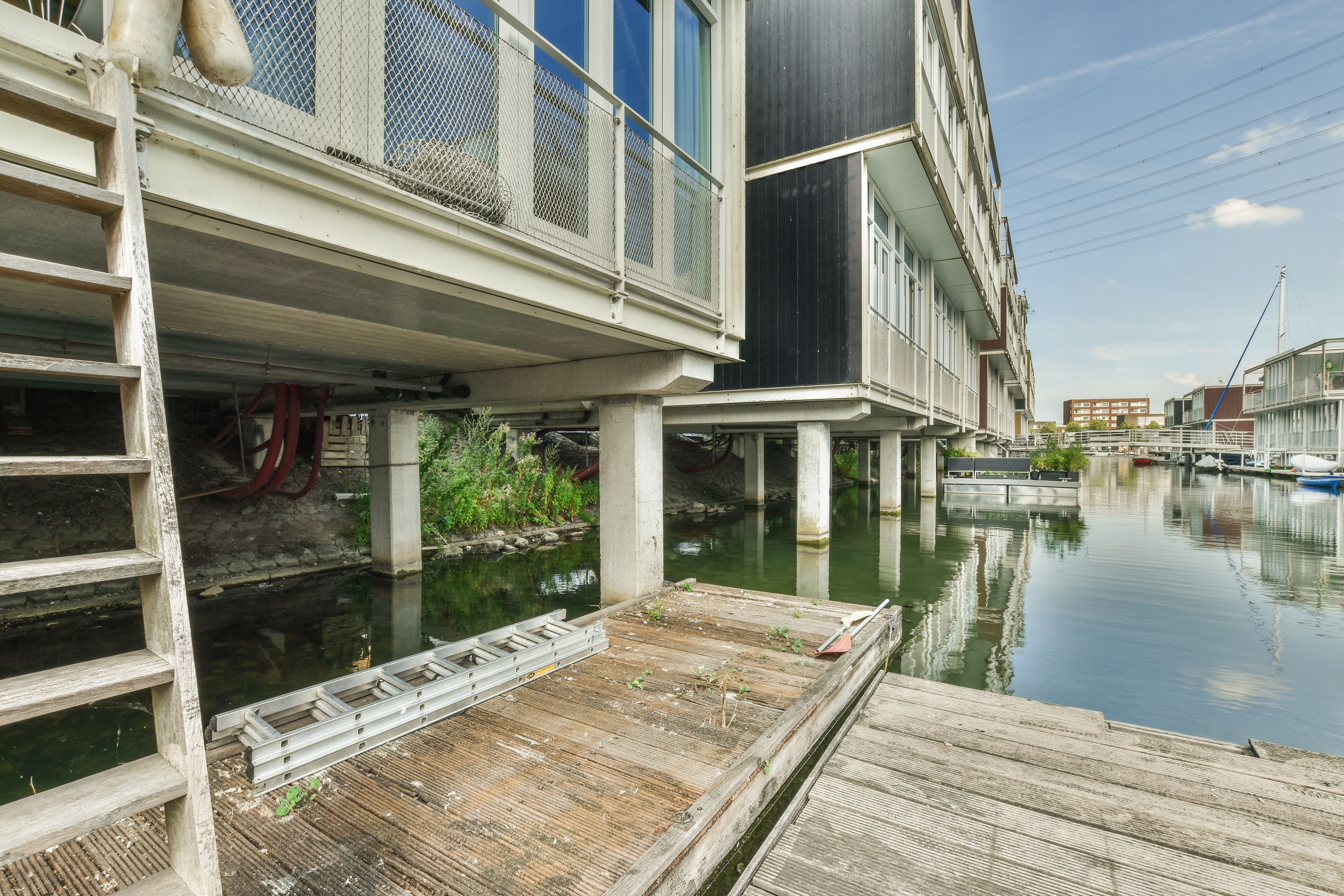
Both zones carry the same 1% annual flood chance. The difference is waves. Zone VE expects storm waves of 3 feet or higher, according to FEMA's coastal guidance. Zone AE expects smaller waves. That changes a lot:
- Foundation: VE usually requires pilings or columns. AE allows more foundation types if the lowest floor meets the required elevation.
- Enclosures: VE generally requires breakaway walls below the living space. AE allows garages with flood openings.
- Cost: VE is typically the most expensive zone to insure.
- Location: VE hugs open water and barrier islands. Most St. Pete canal and bayfront homes sit in AE.
Also watch for the Coastal A Zone, the part of AE nearest VE, marked by the Limit of Moderate Wave Action (LiMWA) line.
How to Check the St. Petersburg Flood Zone Map
- Enter the address at the FEMA Flood Map Service Center and note the zone and BFE.
- Look for a LiMWA line near the parcel.
- Get the elevation certificate. The city keeps many on file.
- Subtract the BFE from the lowest floor elevation. Positive helps your premium. Negative hurts it.
Why step 4 matters: a FEMA-funded St. Petersburg project involved a coastal AE home with a 9-foot BFE and a 4-foot lowest floor. After four flood payouts, it needed raising at least 7 feet. Catch that gap before closing.
Flood Zone AE in Florida: Pros and Cons of Buying
Pros
- You're buying the water. Most of the best waterfront neighborhoods in Pinellas County include AE homes.
- The risk is measured. A published BFE shows exactly how high a home sits relative to expected flooding.
- Premiums reward good homes. Elevated, well-built homes can price far better than older ones nearby.
- Strong local discounts. Pinellas communities rank among Florida's best for flood insurance discounts.
Cons
- Mandatory insurance with any federally backed mortgage.
- Coverage caps below most luxury home values.
- Renovation limits under St. Pete's 49% rule.
- Older homes built at grade can sit well below the BFE.
The 49% Rule
The City of St. Petersburg treats any cumulative repairs or improvements costing 49% or more of the structure's pre-work market value as substantial improvement. Cross it and the whole home must meet current flood standards, often meaning elevation. On a hypothetical $400,000 structure value, that ceiling is $196,000 in permitted work.
6 Ways to Lower Your Flood Insurance Premium in Zone AE
FEMA's Risk Rating 2.0 prices each home individually, so these moves change the number.
1. Get a Current Elevation Certificate
A surveyor documents your lowest floor versus the BFE. If the home sits above it, your quote can drop. If the surrounding ground is also above the BFE, a Letter of Map Amendment (LOMA) may remove the federal insurance requirement.
2. Install Engineered Flood Openings
Vents in garages or enclosures below the BFE let water pass through. The Congressional Research Service lists them among NFIP mitigation credits.
3. Elevate Machinery and Equipment
Raising the AC condenser, water heater, and electrical panel above the lowest floor is another recognized credit.
4. Choose a Higher Deductible
A higher deductible lowers the premium but raises out-of-pocket costs after a flood.
5. Assume the Seller's NFIP Policy
According to NAR's Risk Rating 2.0 fact sheet, sellers can transfer their discounts by assigning the policy to the buyer, and most rates can't rise more than 18% a year. New policies start at full-risk rates, so compare early.
6. Know Your Discount and Shop Private Flood
The City of St. Petersburg earns a 25% NFIP discount. Unincorporated Pinellas County earns 40%, the best ever in Florida. FEMA caps NFIP coverage at $250,000 for the building and $100,000 for contents, so luxury owners often add private excess flood.
Consider two canal homes with the same hypothetical $6,000 full-risk premium. Inside city limits, it drops to $4,500. In Tierra Verde, in unincorporated Pinellas, it drops to $3,600. That's $900 a year.
Weighing a specific address? Talk with the Eagan Luxury team before you write an offer.
What Sellers Must Disclose
Under Florida Statute 689.302, sellers must disclose known flood damage during their ownership, flood insurance claims, and federal flood assistance before the contract is signed.
The Bottom Line on Flood Zone AE
Flood Zone AE in Florida is a label, not a verdict. Check the map, read the elevation certificate, respect the 49% rule, and use the six levers above. Weighing a waterfront home in St. Petersburg or Tierra Verde? Reach out to Eagan Luxury.

About Debi Eagan
Expert real estate agent specializing in St. Petersburg and surrounding areas. Helping families find their dream homes with personalized service and local market expertise.
Contact Debi Eagan