

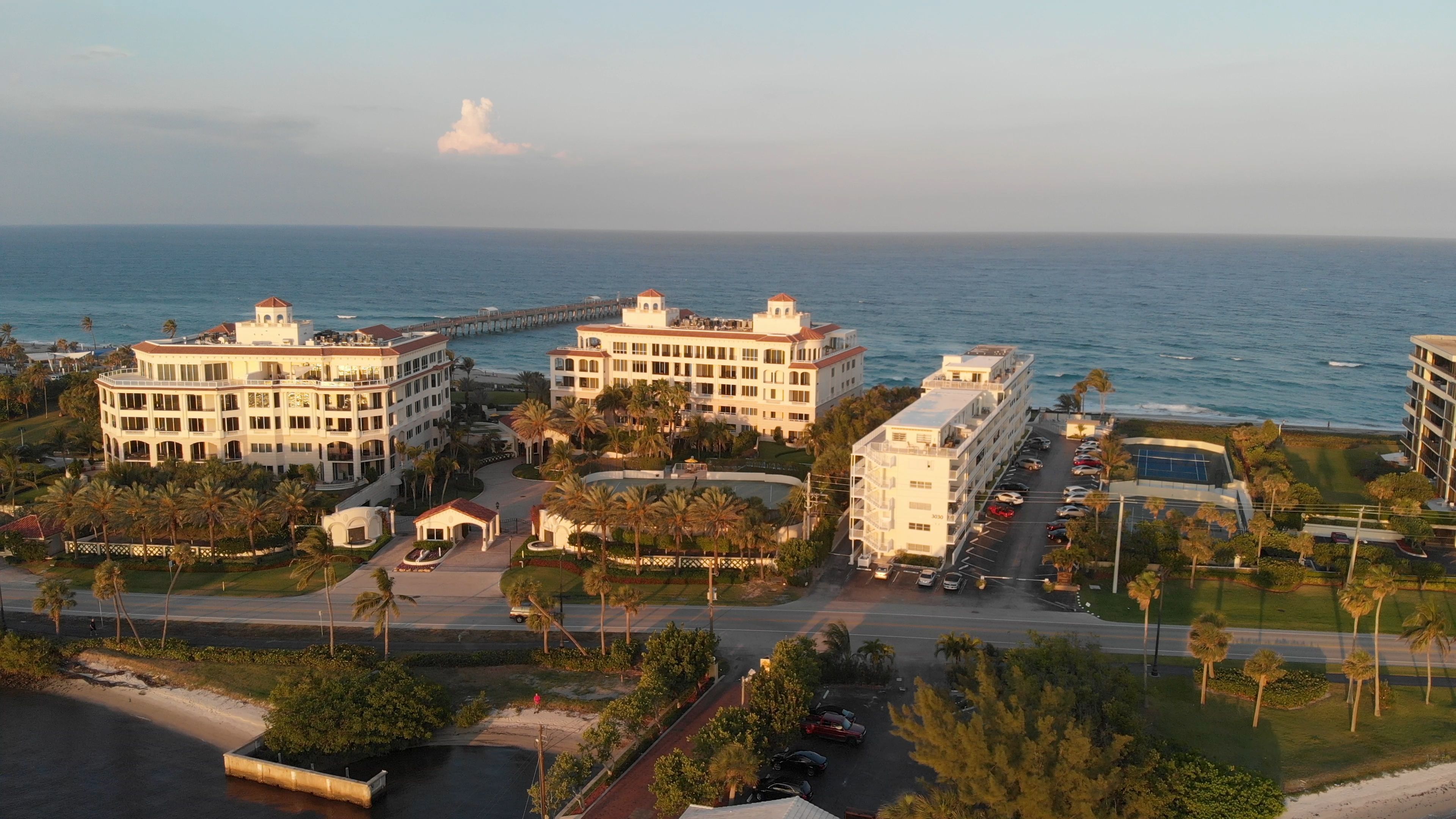
Here is the question nobody asks out loud about an early-1980s Gulf-front condo: is this building the one that gets hit with a six-figure assessment?
That fear is not paranoid. It is the single biggest force repricing beachfront condos in Pinellas County right now. So before the sunset photos, start with the structural math.
The short answer
Driftwood Sands is worth buying if you want a genuinely residential Gulf-front condo in a quiet beach town, and if the specific unit and the association's records hold up under review. It is not the right buy if you want new construction, resort services, or a decision you can make from listing photos.
What separates it from most 1982 beachfront buildings is compliance status. MLS listing remarks for unit #407 state the Milestone Inspection Study and SIRS are complete with no Phase 2 required.
Read that carefully. Those are listing remarks written by a listing agent, not association records. If accurate, it is the most important fact about this building. Verify it against the actual report before you rely on it.
Why the compliance status matters this much
Florida requires milestone structural inspections for condominium buildings three or more habitable stories tall. Per Propfusion's statute guide, the first is due at 30 years, or 25 years for buildings within three miles of the coast, then every 10 years. Driftwood Sands is a six-story building on the sand, recorded in 1982. It is decades past that trigger.
The second requirement is the Structural Integrity Reserve Study. Per CSI Design, a SIRS must be verified by a licensed engineer, architect, or reserve specialist across seven categories including roof, structure, plumbing, electrical, and waterproofing.
Then comes the part that moves money. Criterium-Cromer notes that for budgets adopted January 1, 2025 or later, associations can no longer waive or reduce reserve funding for SIRS components. Buildings that spent decades underfunding reserves must now fund them, and that lands in monthly dues.
A Phase 2 finding means substantial structural deterioration and a repair clock. No Phase 2 means the engineer did not find it. On a 1982 beachfront building, that is the difference between a manageable purchase and an open-ended liability.
What ownership actually costs here
Recent listings show monthly HOA fees between roughly $614 and $802 depending on the unit, per Compass and Redfin. Those fees include building flood insurance, water, sewer, trash, basic cable and internet, pool and grounds maintenance, and a full-time maintenance supervisor.
Building flood insurance inside the dues is meaningful. Insurify reports Florida is the most expensive state in the country for home insurance at $6,504 a year on $300,000 of dwelling coverage, with stand-alone NFIP flood averaging $1,363. You still need an HO-6 policy for your interior, but the structure's flood coverage is already inside the fee.
For a price anchor, unit #407, a 1,340 square foot three-bedroom, sold for $855,000 in July 2025.
The rules, stated plainly
The original questions buyers ask usually get answered with "verify in writing." Here is what the listings actually say, and you should still confirm each against the association documents.
- Pets. One dog up to 25 pounds at mature weight, or two cats.
- Rentals. Thirty-day minimum, with association approval required. Monthly rentals are permitted.
- Parking. One deeded covered space per unit, with some units carrying two. Guest parking is permit-only and uncovered.
- Sizes. Two to four bedrooms, roughly 1,270 to over 2,000 square feet. The largest three-bedroom runs about 1,460 square feet.
One factual conflict worth naming: the Florida DBPR registry lists Driftwood Sands as a 45-unit association recorded in 1982, while some listing portals report 55 units. The DBPR record is the official registration. If unit count matters to your math on reserves per door, use that one.
Pros and cons
Pros
- Direct Gulf-front access, the one feature no renovation can add later
- Milestone and SIRS reportedly complete with no Phase 2, rare for a 1982 beachfront building
- Dues include building flood insurance, water, sewer, cable, and a full-time maintenance supervisor
- Larger residential layouts up to four bedrooms, not studio beach boxes
- Thirty-day minimum rentals permitted, which suits seasonal owners
- Deeded covered parking, storage lockers, two elevators, kayak and bike storage
Cons
- A 1982 structure means component age drives insurance and future reserve demands regardless of compliance status
- Thin inventory means limited comparables and less negotiating data
- Twenty-five pound pet limit rules out larger dogs
- Thirty-day rental minimum blocks short-term rental income strategies
- Listing remarks describe post-hurricane grounds and pool deck work still in progress
- Key claims come from MLS marketing copy and require independent verification
Where the market gives you leverage
Indian Rocks Beach condos are sitting. Homes.com shows a median condo price near $649,000 across roughly 46 listings, with condos averaging about 105 days on market as of July 2026.
Consider a buyer with $900,000 looking at a three-bedroom here. When comparable units sit past a hundred days, the leverage is not just price. It is asking the seller to fund the interior insurance gap, or to credit for a component the reserve study flags as near end of life. The scenario is illustrative. The negotiating position is real.
How to vet a Driftwood Sands unit in 6 steps
1. Get the actual Milestone Inspection report. Not the listing remark. Request the Phase 1 report and written confirmation that no Phase 2 was required. Read the engineer's observations, not just the conclusion.
2. Read the SIRS line by line. Compare remaining useful life against current reserve balances for each of the seven categories. A completed study with thin reserves is still an assessment waiting to happen.
3. Pull three years of budgets and all meeting minutes. Minutes are where boards discuss problems before they become assessments. Look for post-October-2024 storm repair discussion and how the pool deck work was funded.
4. Confirm the assessment history in writing. Ask for every special assessment levied in the last ten years, the amount, and what it covered.
5. Price your own coverage. The association covers the structure. Quote an HO-6 policy on the actual unit, and confirm what the master policy's wind and flood deductibles would pass through to owners.
6. Verify the rules against the documents, not the listing. Pet weight, rental minimum, approval process, parking assignment, and renovation approval. Listing remarks are marketing. The declaration governs.
Bottom line
Driftwood Sands is worth buying if the compliance status verifies, the reserves back it up, and the unit itself fits how you will actually live there. On a 1982 Gulf-front building, that verification is the entire purchase decision, and it is knowable before you go firm.
For a unit-level review and a read on the association's records, talk to the Eagan Luxury team. You can also compare it against other featured communities and St. Petersburg waterfront properties.
Frequently asked questions
Is Driftwood Sands directly on the beach?
Yes. Driftwood Sands sits at 2618 Gulf Blvd on the north end of Indian Rocks Beach, directly on the sand, with private beach access beyond the pool deck and Gulf-facing balconies. The building is six stories and was recorded with the Florida DBPR in 1982.
How much are HOA fees at Driftwood Sands?
Recent listings show monthly fees roughly between $614 and $802 depending on the unit. Those fees include building flood insurance, water, sewer, trash, basic cable and internet, pool and grounds maintenance, and a full-time maintenance supervisor. Confirm the current figure and any pending increases with the association directly.
Has Driftwood Sands completed its milestone inspection?
Listing remarks for at least one unit state the Milestone Inspection Study and SIRS are complete with no Phase 2 required. Those remarks are written by the listing agent rather than the association. Request the actual Phase 1 report and written confirmation from the association before relying on it in a purchase decision.
Are pets and rentals allowed at Driftwood Sands?
Listings describe one dog up to 25 pounds at mature weight or two cats, and a 30-day minimum rental with association approval. Rules can change and are governed by the declaration rather than listing copy, so confirm current pet, lease, minimum-stay, and approval terms in writing before making an offer.
How many units are in Driftwood Sands?
The Florida DBPR registry lists Driftwood Sands as a 45-unit condominium association recorded in 1982. Some real estate portals report 55 units. The DBPR registration is the official record. Unit count matters when calculating reserve funding per door, so use the official figure for that math.
Is Indian Rocks Beach quieter than Clearwater Beach?
Indian Rocks Beach is a small barrier-island town of roughly 1.4 square miles, locally nicknamed the Mayberry of the Gulf Beaches, with numbered public beach access points rather than a resort strip. Most buyers find it calmer than Clearwater Beach, though the right fit depends on your preferred pace and access to services.

About Debi Eagan
Expert real estate agent specializing in St. Petersburg and surrounding areas. Helping families find their dream homes with personalized service and local market expertise.
Contact Debi Eagan