

The Core Difference Nobody Talks About
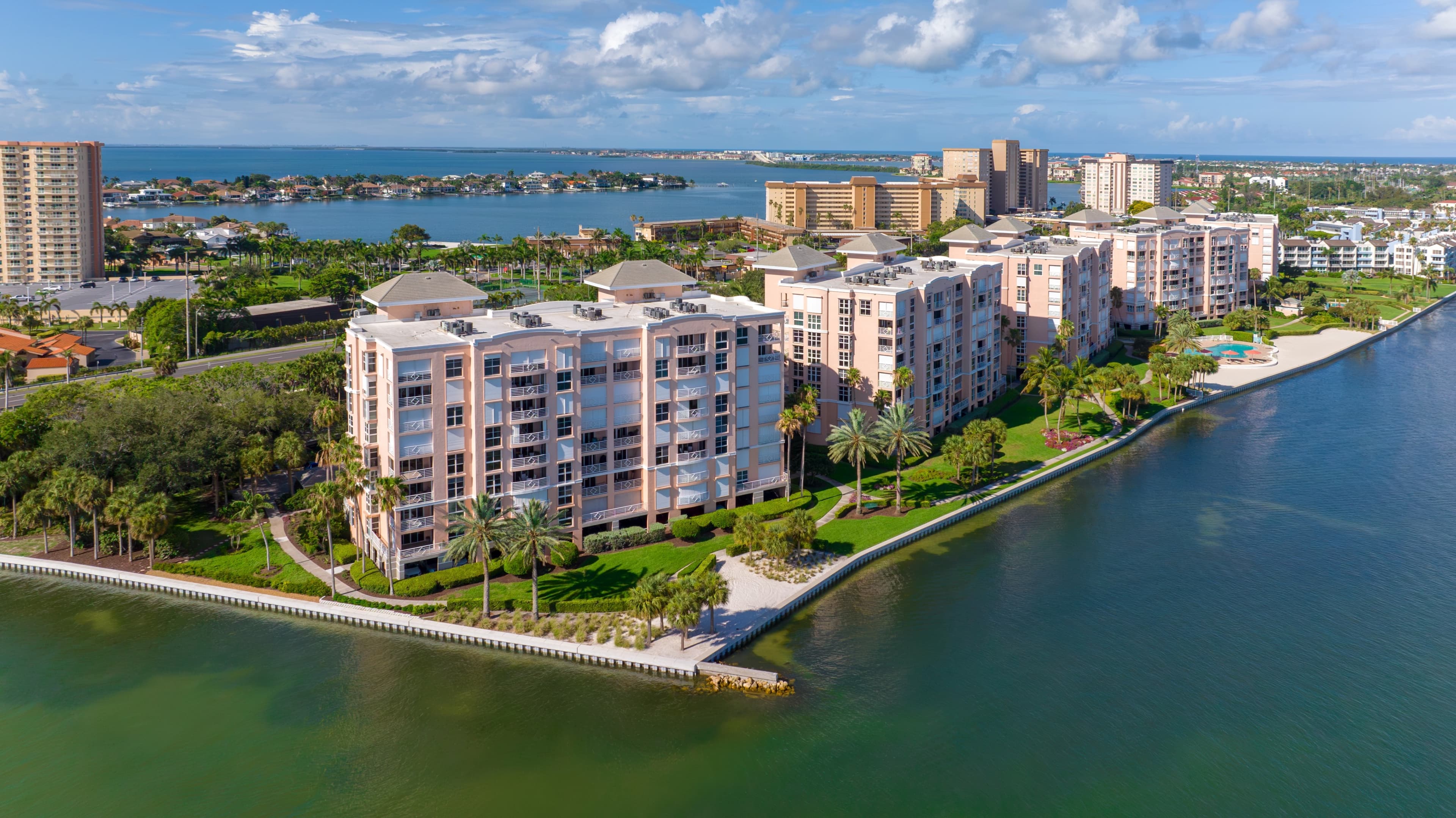
Tampa is a traditional American city — commercial, grid-heavy, increasingly dense, with corporate towers and a developing urban core at Water Street. St. Pete is a peninsula city bounded on three sides by water, where the coastline is not a destination but a backdrop to daily life.
In Tampa, you drive to the water. In St. Pete, you live on it. This single geographical reality shapes everything: the lifestyle, the density, the property types available, and the psychology of residents.
Most buyers who eventually choose St. Pete tell me they underestimated how much that difference would matter day-to-day. Most who choose Tampa knew from the start they needed the city infrastructure more than the coastal lifestyle.
Price Per Square Foot: 2026 Comparison
St. Pete continues to deliver more real estate per dollar at the $800K–$3M range that covers the majority of luxury buyers.
- Tampa luxury PSF ($1M+): $480–$650/sqft (Hyde Park, Davis Islands, Bayshore)
- St. Pete luxury PSF ($1M+): $360–$530/sqft (Snell Isle waterfront, Downtown condos)
- Tampa penthouses (Water Street, Harbour Island): $550–$800/sqft
- St. Pete penthouses (ONE, Signature Place): $450–$700/sqft
The spread narrows at the ultra-luxury tier ($4M+), but for the $1M–$2.5M buyer — the volume market for luxury — St. Pete consistently delivers 15–25% more square footage or superior waterfront position for the same budget.
Neighborhoods: Where Each City Excels
Tampa's best luxury addresses:
- Hyde Park / Bayshore Boulevard — The most prestigious South Tampa addresses. Grand Bayshore-facing estates, walkable dining. Homes $1.2M–$6M+.
- Davis Islands — True island community with boat access and Peter O. Knight Airport. Homes $1.5M–$5M+.
- Harbour Island — High-rise luxury connected to downtown Tampa. Condos $500K–$3M.
- Palma Ceia — Golf course community with deep South Tampa roots. Homes $800K–$3M.
St. Pete's best luxury addresses:
- Snell Isle — Bay-front estates with deep-water docks, more land per dollar than Davis Islands. Homes $1M–$5.5M+.
- Old Northeast — Historic brick streets, Coffee Pot Bayou, walkable downtown. Homes $600K–$3.5M.
- Tierra Verde — True island community with Gulf access, strong boating culture. Homes $700K–$4M.
- Bayway Isles — Gated, private, deep-water — no real Tampa equivalent. Homes $1.2M–$5M.
- Downtown condos — ONE St. Pete, Signature Place, Vinoy Place, Parkshore Plaza. Condos $400K–$4M+.
Lifestyle: Urban Energy vs. Coastal Culture
Tampa has more of what you expect from a major city: more Fortune 500 headquarters, a larger hospital network (Moffitt Cancer Center, Tampa General), USF and UT campuses, and a more developed convention and corporate infrastructure.
St. Pete has a more distinctive cultural identity. The Salvador Dalí Museum, Museum of Fine Arts, and Chihuly Collection give it a cultural pedigree that cities 10× its size would envy. The Saturday Morning Market, craft brewery district, and Beach Drive dining scene grew organically — they were not transplanted from a larger city.
The simplest test: are you moving to Florida for a better version of the urban life you are leaving, or for something genuinely different? Tampa gives you the former. St. Pete gives you the latter.
The Commute: Honest Assessment
The Howard Frankland Bridge (I-275) and Gandy Bridge are the primary connections. Off-peak: 25–35 minutes. Rush hour: 45–75 minutes on bad days. The new parallel Howard Frankland span improves capacity but does not eliminate the bridge-crossing reality.
For daily corporate commuters, this is a real quality-of-life factor. For hybrid workers (2–3 days/week), it is manageable. For retirees or remote workers, it is irrelevant.
St. Pete's own job market — particularly tech, healthcare (Bayfront Health, St. Anthony's), and professional services — is growing. The assumption that every St. Pete resident commutes to Tampa is increasingly outdated.
Which City Fits Your Buyer Profile?
Choose Tampa if:
- You need daily downtown Tampa corporate access
- You want a major metro ecosystem (larger airport, more direct flights, USF/UT proximity)
- You are buying primarily as an investment near corporate relocation demand
Choose St. Pete if:
- Waterfront living and boating are genuine lifestyle priorities
- You want walkable access to arts, dining, and a beach-city culture
- You value a distinctive identity over scaled-up urban density
- You are retiring or working remotely and want the best the Gulf Coast offers
- Your budget is $1M–$3M and you want maximum quality per dollar