

Why St. Petersburg Is One of America's Best Retirement Cities
The numbers make the case before anything else. St. Petersburg averages 361 days of sunshine annually — it holds the Guinness World Record for most consecutive days of sunshine. The year-round outdoor lifestyle that Northern retirees dream about is the actual daily reality here, not a seasonal window.
Florida's tax structure is uniquely retiree-friendly:
- No state income tax — pension income, Social Security, IRA distributions, and investment income are not taxed at the state level
- Homestead Exemption — up to $50,000 off assessed value for primary residences, with additional exemptions for seniors 65+ with limited income
- Save Our Homes cap — annual property tax assessment increases capped at 3% once Homestead is established
- No inheritance or estate tax
Beyond the financial picture, St. Pete offers cultural richness that most retirement destinations cannot match. The Salvador Dalí Museum, Museum of Fine Arts, and Chihuly Collection give the city an arts pedigree that rivals cities five times its size.
Healthcare: What Retirees Need to Know
Healthcare access is the most important non-financial factor in any retirement destination decision. St. Petersburg has a strong ecosystem:
- BayCare Health System — St. Anthony's Hospital in downtown St. Pete and Morton Plant in Clearwater are both BayCare facilities offering comprehensive acute and specialty care
- Bayfront Health St. Petersburg — Level II trauma center, cardiac care, and a full spectrum of specialty services
- Johns Hopkins All Children's Hospital — nationally ranked, also serves select adult specialties
- Moffitt Cancer Center — nationally ranked cancer center in Tampa, 30 minutes from St. Pete; critical for retirees monitoring cancer risk
- Tampa General Hospital — one of the nation's top-ranked hospitals, 30 minutes from most St. Pete neighborhoods
Important context: not all of Florida's most specialized care is within St. Pete city limits. For complex cardiac surgery, neurological procedures, or transplant medicine, the proximity to Tampa General and Moffitt is what makes the Tampa Bay region stand out from more isolated Florida retirement markets.
Best St. Petersburg Neighborhoods for Retirees
The best neighborhood for retirement depends entirely on how you plan to live. Here are the top options for different retirement profiles:
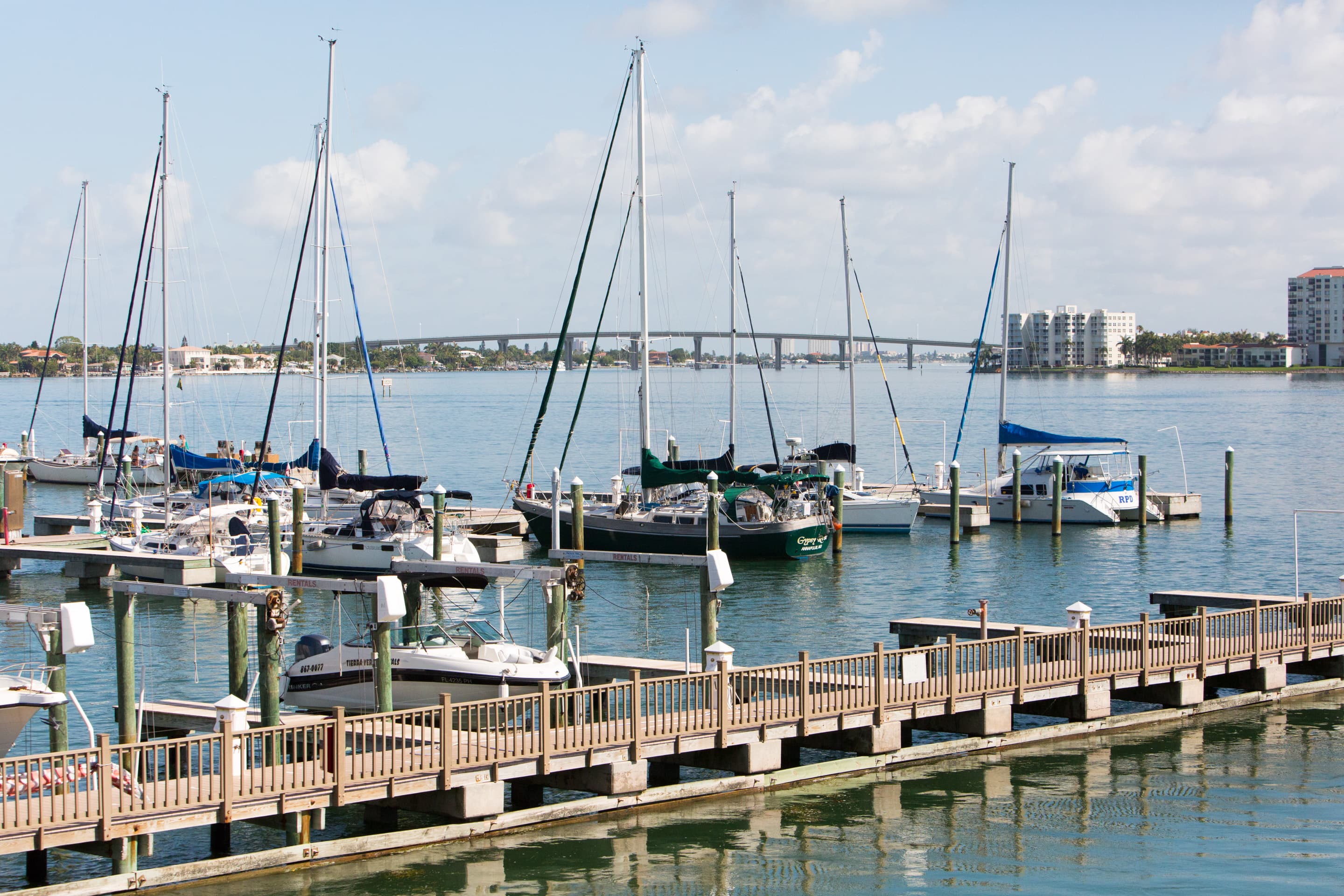
Active outdoor/boating retirees: Snell Isle and Tierra Verde offer deep-water dock access in a community of neighbors who share that lifestyle. Snell Isle is closer to downtown culture; Tierra Verde is more island-private.
Culturally oriented, walkable retirees: Old Northeast and downtown condos (Vinoy Place, Parkshore Plaza, ONE St. Petersburg) put you within walking distance of the Dalí Museum, MFA, Beach Drive dining, and Straub Park. Many residents here never need a car for daily activities.
Gulf beach retirees: St. Pete Beach and Pass-A-Grille offer Gulf-front living with a quieter, more residential character than Clearwater Beach. Morning beach walks and evening Gulf sunsets are the daily rhythm.
Low-maintenance luxury: Dolphin Cay and Bacopa Bay offer gated community living with HOA-managed grounds, resort-style pools, fitness centers, and 24-hour security — the lock-and-leave lifestyle that both snowbirds and full-time retirees value.
Cost of Living: How St. Pete Compares
St. Petersburg is not cheap — but it remains significantly more affordable than the major coastal markets most retirees are leaving:
- vs. New York: Overall cost of living ~40% lower. Housing ~60% lower.
- vs. Boston: Overall ~35% lower. No state income tax alone saves $15K–$40K/year for typical retirees.
- vs. Naples FL: St. Pete is 15–20% more affordable on comparable luxury properties, without sacrificing quality of life.
- vs. Miami Beach: St. Pete is 25–35% more affordable at the luxury tier with comparable Gulf Coast lifestyle without the density or traffic.
Grocery and dining costs are broadly at national averages. Insurance costs — particularly for waterfront and flood-zone properties — are an important wild card that every buyer must research before committing to a specific property.
The Insurance Reality (Don't Skip This Section)
Florida insurance costs are the most significant financial factor that retirement marketing consistently understates. Before committing to a St. Pete property, get an honest insurance picture upfront:
Homeowners insurance for a $1.5M waterfront home typically runs $12,000–$25,000+ annually depending on the property's age, construction type, roof age, and specific flood zone.
Flood insurance is required by lenders for FEMA flood zone properties. Premiums for waterfront properties range from $4,000–$15,000+ annually depending on flood zone classification and the property's elevation above Base Flood Elevation.
Wind mitigation credits can reduce premiums by 20–40% for properties with impact-resistant windows, hip roofs, and proper hurricane shutters. Ask for the existing wind mitigation report on every property you evaluate.
The right approach: before submitting any offer, get a preliminary insurance quote from a Florida-specialist coastal insurance broker. This is standard practice with our team on every waterfront transaction.
Snowbird vs. Full-Time Residency: What You Need to Know
Many buyers initially plan to be snowbirds (November–April in St. Pete, summers back North) and become full-time Florida residents within 3–5 years. The typical progression: they discover that September and October in St. Pete are beautiful, extend stays, and eventually realize there is nothing pulling them back north.
If you are buying as a snowbird with full-time aspirations:
- Homestead Exemption requires full-time Florida residency — if you maintain a Northern primary residence, you cannot claim Homestead. Run the tax math before structuring your purchase.
- Condo vs. single-family for snowbirds: HOA-managed condos require less oversight for seasonal residents. Single-family homes require property management for landscaping, pool, AC filters, and general care during absences.
- Hurricane season (June–November): Snowbirds are typically out of St. Pete during peak hurricane risk. Understanding your property's specific flood history, elevation certificate, and evacuation zone is essential before purchase.