

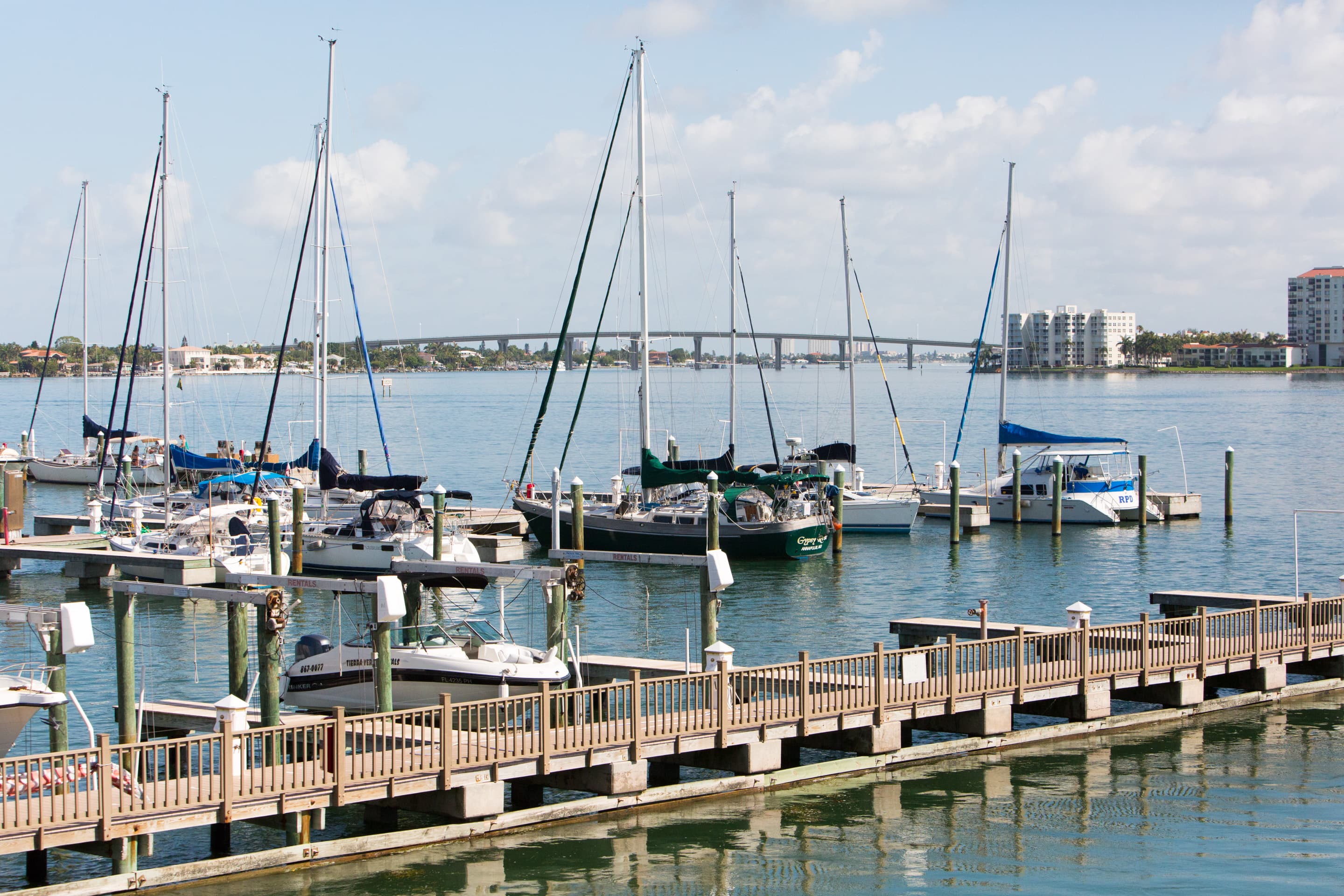
What Makes St. Pete Beach Special
St. Pete Beach sits on a barrier island on the Gulf of Mexico, about 30 minutes from downtown St. Petersburg by car. It has a genuine beach-town character that larger Florida beach destinations (Clearwater Beach, Naples, Fort Lauderdale) have largely traded away for high-rise development and commercial tourism density.
- The Gulf of Mexico access: Flat, warm, calm Gulf waters ideal for swimming, paddleboarding, kayaking, and evening walks. Sunset views are world-class.
- Pass-A-Grille: The southern tip of the island is one of Florida's best-preserved historic beach villages — shotgun houses, local restaurants, and a pier that feels genuinely timeless.
- Don CeSar Hotel: The "Pink Palace" is a historic landmark that anchors the island's character and drives quality tourism without the chaos of a theme-park beach.
- Community scale: St. Pete Beach and Treasure Island together have fewer than 15,000 permanent residents. This is a small community — people know each other.
- Fort De Soto Park: 5 minutes south — one of the best beaches and nature parks in the entire state.
The Honest Trade-Offs
Living on a barrier island comes with real constraints that buyers should understand before committing.
Traffic and access: There are two primary ways on and off St. Pete Beach — the Corey Causeway (US 699) and the Pinellas Bayway. During beach-season weekends, inbound traffic backs up. If you work in St. Petersburg or Tampa, your commute will be longer than it appears on Google Maps during peak beach season (March–September).
Flood risk and insurance: St. Pete Beach is in significant FEMA flood zones. Virtually every property requires flood insurance. Depending on the structure's elevation, flood insurance runs $2,000–$8,000/year. Windstorm insurance adds another $3,000–$10,000/year. Total insurance costs for a $1.5M Gulf-front home can run $15,000–$25,000/year.
Hurricane evacuation: St. Pete Beach is in Zone A (mandatory evacuation for Category 1+ storms). Families with children or elderly relatives need to have a clear evacuation plan. Barrier islands are the first areas ordered to evacuate.
Dining and services: St. Pete Beach has excellent casual dining and local restaurants, but for fine dining, major grocery stores (Whole Foods, Fresh Market), or hospital-level medical care, you'll drive to St. Petersburg proper.
Noise and seasonal tourism: The hotel corridor along Gulf Boulevard generates significant seasonal traffic, noise, and parking congestion from spring through Labor Day. Buyers who want a quiet residential experience should look at the southern end of the island (Pass-A-Grille, Vina Del Mar) rather than the hotel zone.
Who St. Pete Beach Is Best For
St. Pete Beach is the right choice for a specific kind of buyer — and the wrong choice for others. Here is a frank assessment:
Best for:
- Remote workers or retirees who value lifestyle over commute convenience
- Seasonal or second-home buyers who want Gulf-front access for 4–6 months of the year
- Buyers who love boating, fishing, and water sports as a primary lifestyle activity
- Investors in short-term rentals (where zoning and HOA permit) — demand is extremely high
- Buyers who have fully processed hurricane and flood risk as a cost of doing business
Likely not ideal for:
- Buyers who need to commute to Tampa or downtown St. Pete daily (traffic is a real issue)
- Families prioritizing access to top-rated schools — Pinellas County schools serving this area are average
- Buyers who are insurance-sensitive or on a tight budget — the carrying costs on Gulf-front property are significant
- Buyers who want urban amenities (walkable restaurants, arts, nightlife) as a primary driver — downtown St. Pete or the Edge District serve those needs better
Real Estate Prices on St. Pete Beach (2026)
St. Pete Beach real estate spans a wide range depending on Gulf or Bay frontage, lot elevation, and condition.
- Gulf-front homes: $2M–$6M+. True Gulf-front lots are the most limited and command the highest premiums. Most are 50–75 foot-wide lots. Be aware of setback requirements and FEMA rebuild restrictions on low-elevation lots.
- Bay-side and canal-front: $700K–$2.5M. Boat access, calmer water, lower insurance costs. Many have deeper lots and more usable outdoor space than the narrower Gulf-front lots.
- Interior non-waterfront: $400K–$900K. Good value for buyers who want the community but don't need direct water access.
- Condos: $350K–$1.5M depending on building, floor, and view.
Days on market for well-priced St. Pete Beach properties run 45–75 days. Overpriced listings sit much longer. The market has normalized from the 2021–2022 frenzy, creating better opportunities for prepared buyers.